Braided Bread Recipe – Soft, Golden, and Simple to Make
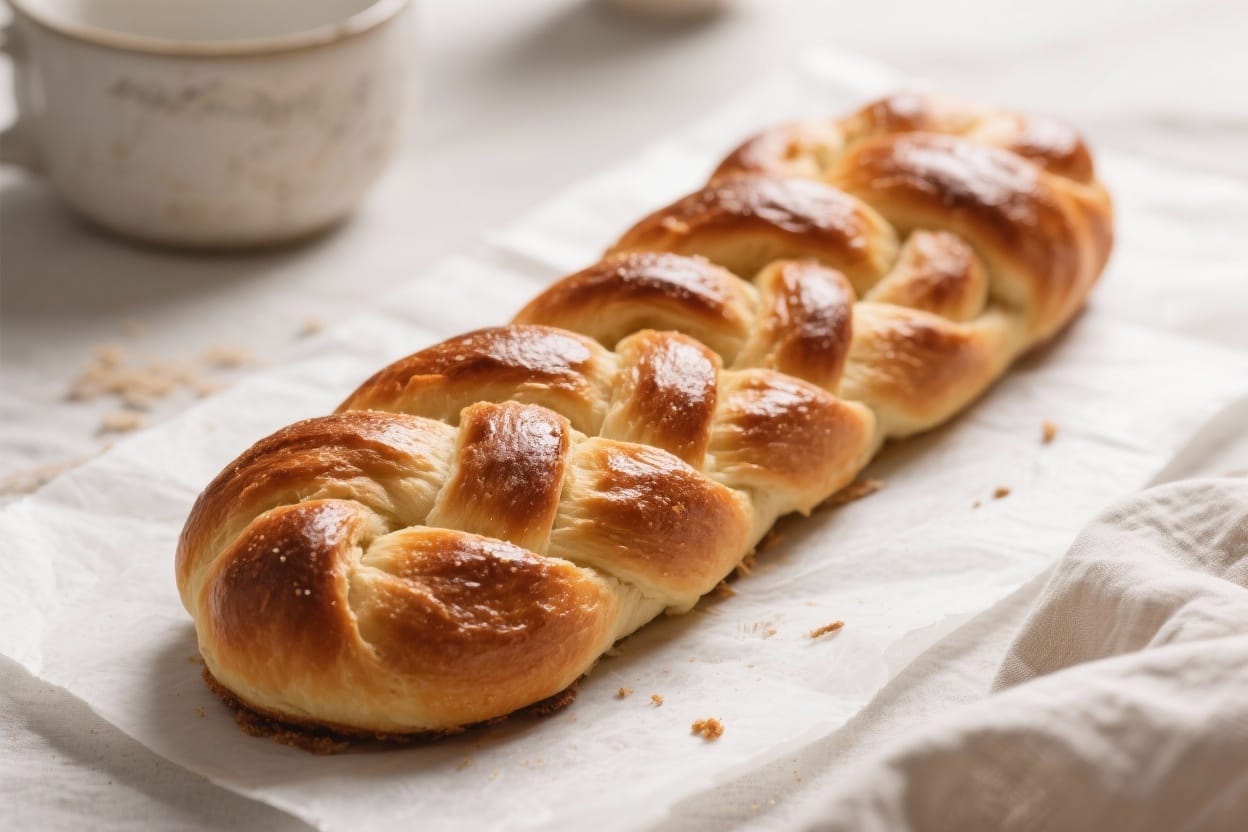
There’s something special about a freshly baked loaf of braided bread—soft inside, golden outside, and beautiful on the table. This version keeps things simple, with ingredients you likely already have in your kitchen. You’ll get a light, slightly sweet dough that’s easy to handle and fun to shape. Whether you’re serving it with soup, using it for sandwiches, or just tearing off warm pieces with butter, this loaf delivers. If you’re new to bread, don’t worry—this recipe is friendly and forgiving.
What Makes This Recipe So Good
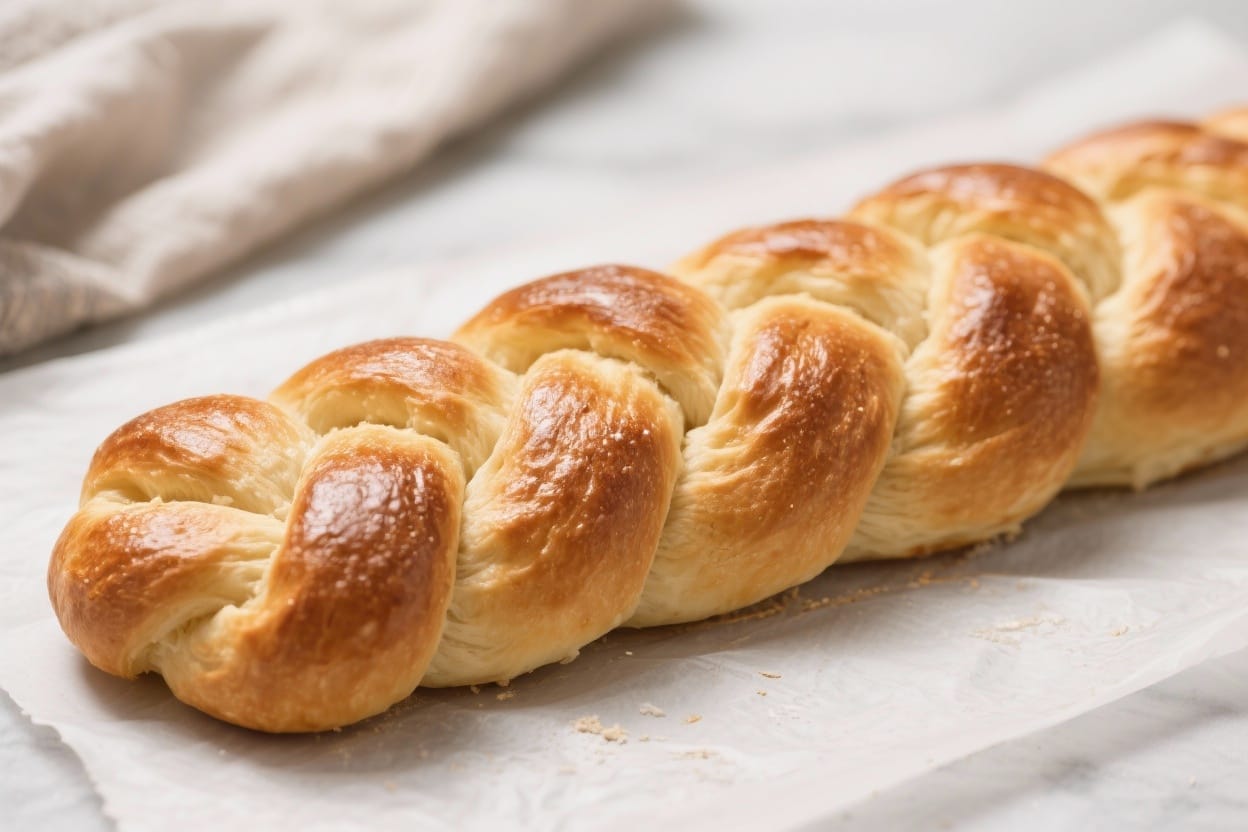
Braided bread recipe – Braided Bread Recipe – Soft, Golden, and Simple to Make There’s something special about a freshly ba
- Beginner-friendly: The dough is soft but manageable, and the steps are straightforward.
- Beautiful presentation: The braid looks impressive without extra effort or special equipment.
- Flexible flavor: Add honey for sweetness, sesame seeds for crunch, or herbs for a savory twist.
- Soft, tender crumb: Milk and butter keep the bread moist and tender for days.
- Reliable results: Clear rise times and shaping tips help you avoid common issues.
Ingredients
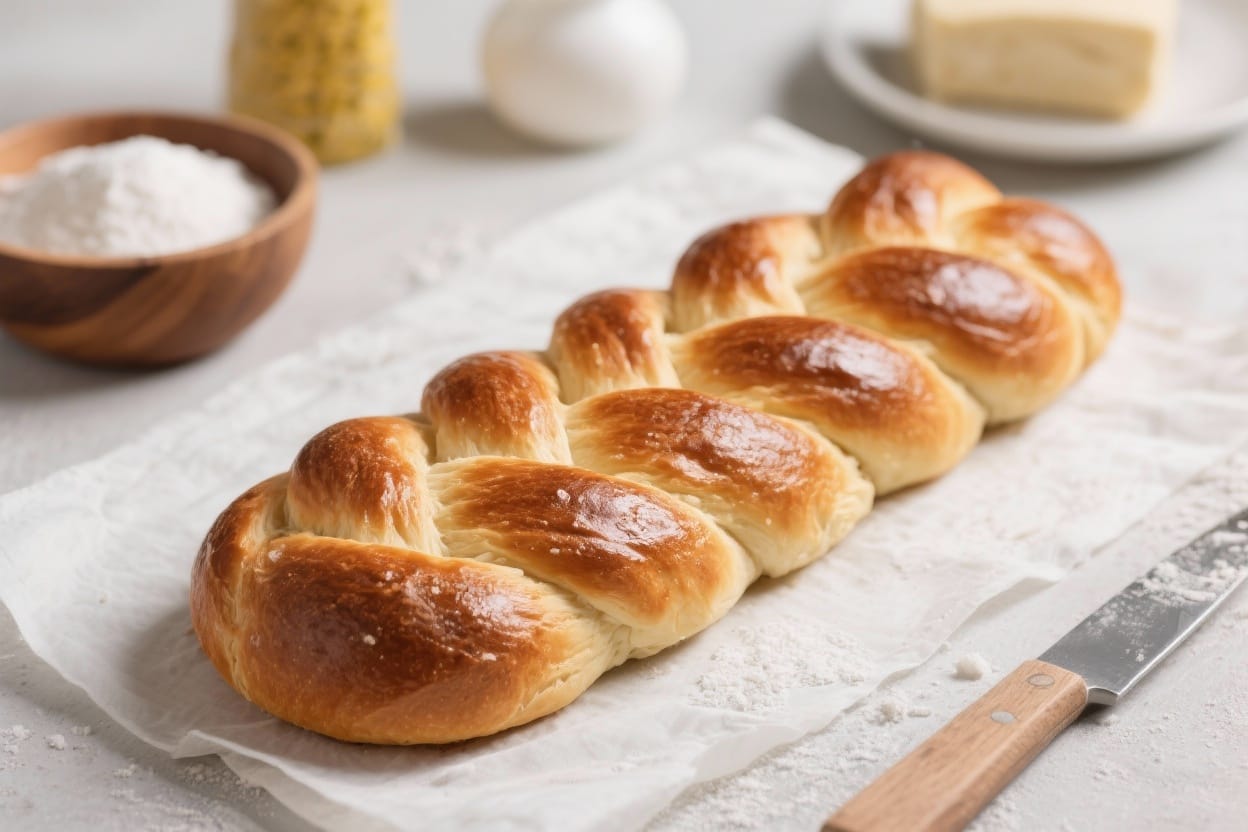
Braided bread recipe – This version keeps things simple, with ingredients you likely already have in your kitchen
- 3 1/2 to 4 cups (420–480 g) all-purpose flour, plus extra for dusting
- 2 1/4 teaspoons (7 g) instant yeast or active dry yeast
- 1 cup (240 ml) warm milk, about 105–115°F (40–46°C)
- 3 tablespoons (38 g) granulated sugar or honey
- 1 teaspoon fine sea salt
- 1 large egg, room temperature
- 4 tablespoons (56 g) unsalted butter, softened
- Optional: 1 teaspoon vanilla extract for a lightly sweet aroma
- For egg wash: 1 egg beaten with 1 tablespoon milk or water
- Optional toppings: sesame seeds, poppy seeds, flaky salt
Instructions
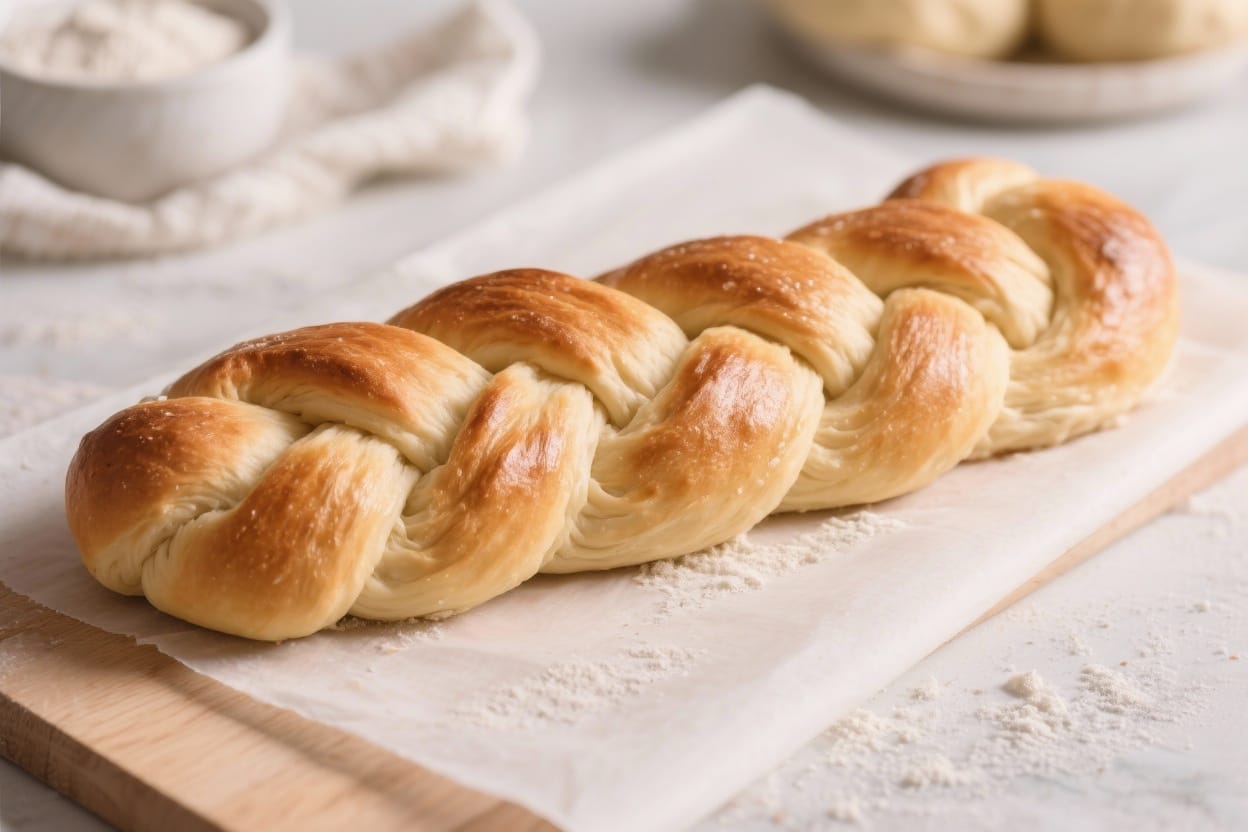
Braided bread recipe – You’ll get a light, slightly sweet dough that’s easy to handle and fun to shape
- Bloom the yeast (if using active dry): In a small bowl, mix warm milk with sugar or honey. Sprinkle the yeast over the top and let it sit for 5–10 minutes until foamy. If using instant yeast, skip the blooming and add it directly to the flour, but still warm the milk and mix with sugar.
- Make the dough: In a large bowl, combine 3 1/2 cups flour, salt, and instant yeast (if using). Add the milk mixture, egg, and vanilla if using. Stir with a wooden spoon until a shaggy dough forms.
- Knead and add butter: Turn the dough onto a lightly floured surface. Knead for about 2 minutes, then add the softened butter in pieces. Continue kneading 6–8 minutes until the dough is smooth and slightly tacky but not sticky. Add a tablespoon or two of flour if needed, but avoid over-flouring.
- First rise: Shape the dough into a ball and place it in a lightly oiled bowl. Cover with a clean towel or plastic wrap. Let it rise in a warm spot for 60–90 minutes, until doubled in size.
- Divide and rest: Gently punch down the dough. Turn it out and divide into three equal pieces. Shape each piece into a rough log, cover, and let rest for 10 minutes. This relaxes the gluten and makes braiding easier.
- Roll the ropes: Roll each piece into a rope about 14–16 inches long, tapering the ends slightly. If the dough springs back, let it rest 5 minutes and continue.
- Braid the loaf: Pinch the three rope ends together on one side. Braid gently, crossing the right rope over the center, then the left over the center, repeating to the end. Pinch to seal. Tuck both ends under slightly to neaten the loaf.
- Second rise: Transfer the braid to a parchment-lined baking sheet. Cover loosely with lightly oiled plastic wrap. Let it rise 30–45 minutes, until puffy and about 50% larger.
- Preheat and egg wash: While the loaf rises, preheat the oven to 350°F (175°C). Brush the braid with egg wash for a shiny, golden crust. Sprinkle seeds if using.
- Bake: Bake for 25–30 minutes, rotating the pan halfway through. The loaf is done when deep golden brown and the internal temperature reaches about 190°F (88°C). If it browns too quickly, tent loosely with foil.
- Cool: Transfer to a wire rack and let cool at least 30 minutes before slicing. This sets the crumb and prevents gumminess.
How to Store
- Room temperature: Store the cooled loaf in a bread bag or wrapped in a clean towel for up to 3 days. Avoid the fridge; it dries bread out faster.
- Freezer: Slice the bread, wrap tightly in plastic, then place in a freezer bag. Freeze for up to 2 months. Toast slices straight from frozen or thaw at room temp.
- Refresh: If the crust softens, warm slices in a 300°F (150°C) oven for 5–7 minutes to bring back a bit of crispness.
Why This is Good for You
- Simple ingredients: Flour, milk, eggs, and butter—basic staples without additives when made at home.
- Balanced energy: Carbs give quick energy, while the egg and milk add a little protein for staying power.
- Portion control: A braided loaf slices neatly, making it easy to enjoy in sensible portions.
- Mindful eating: Baking connects you to your food. Kneading and shaping can be relaxing and satisfying.
Common Mistakes to Avoid
- Milk too hot: Scalding milk kills yeast. Keep it warm, not hot—think comfortable bath temperature.
- Adding too much flour: Slight tackiness is good. Excess flour makes dense bread. Add sparingly as you knead.
- Skipping the rest before shaping: Resting the dough helps it stretch without springing back. Don’t rush this step.
- Under- or over-proofing: Under-proofed dough tears while braiding; over-proofed dough deflates. Aim for puffy and airy, not doubled on the second rise.
- Cutting too soon: Slicing hot bread compresses the crumb. Let it cool at least 30 minutes.
Alternatives
- Whole wheat version: Use 1–1 1/2 cups whole wheat flour plus 2–2 1/2 cups all-purpose. Add 1–2 tablespoons extra milk if the dough seems dry.
- Dairy-free: Swap milk for unsweetened almond or oat milk and butter for olive oil or vegan butter. Expect a slightly different flavor and crust.
- Sweet holiday style: Add 1/3 cup raisins or golden raisins and 1 teaspoon citrus zest. Sprinkle with pearl sugar after the egg wash.
- Savory herb: Mix 2 teaspoons finely chopped fresh rosemary or thyme into the dough. Top with sesame seeds and flaky salt.
- Four-strand braid: For a fuller look, divide into four ropes and use a simple over-under braid. Bake time may increase by 3–5 minutes.
FAQ
Can I use bread flour instead of all-purpose?
Yes. Bread flour gives a chewier texture and a bit more height. If using bread flour, you may need a teaspoon or two more milk to keep the dough soft.
What if I only have active dry yeast?
No problem. Bloom it in the warm milk with sugar first, as noted. If it doesn’t foam after 10 minutes, the yeast may be expired—start over with fresh yeast.
How do I know when the dough is kneaded enough?
It should feel smooth, elastic, and slightly tacky. When you stretch a small piece, it should form a thin “window” without tearing easily. For a simple, reliable loaf, keep kneading if it tears right away.
Why did my braid spread instead of rise up?
This usually means the dough was too soft, under-kneaded, or over-proofed. Next time, add flour slowly during kneading until the dough holds its shape, and watch the second rise closely.
Can I make the dough ahead?
Yes. After the first rise, cover and refrigerate up to 18 hours. Let it warm at room temperature for 30–45 minutes, then shape, proof, and bake.
How do I get a shiny crust without egg?
Brush with milk or a mixture of milk and a bit of honey. It won’t be as glossy as egg wash, but it still browns nicely.
Can I add fillings?
Light fillings work best. Brush the ropes with a thin layer of softened butter and sprinkle cinnamon sugar or grated cheese before braiding. Avoid heavy or wet fillings that might leak.
My loaf looks done outside but is raw inside. What went wrong?
The oven may run hot or you baked on a dark pan. Use an oven thermometer and check the internal temperature of the loaf. Tent with foil if it browns too fast and extend baking by a few minutes.
Final Thoughts
A braided bread loaf is one of those recipes that makes your kitchen feel warm and welcoming. It looks fancy but comes together with simple steps and pantry staples. Once you make it once or twice, you’ll start playing with flavors and shapes, and it just keeps getting better. Keep the dough soft, give it time to rise, and enjoy the process—your table will thank you.
Printable Recipe Card
Want just the essential recipe details without scrolling through the article? Get our printable recipe card with just the ingredients and instructions.