Herb Bread Loaf Recipe – Simple, Fragrant, and Homemade
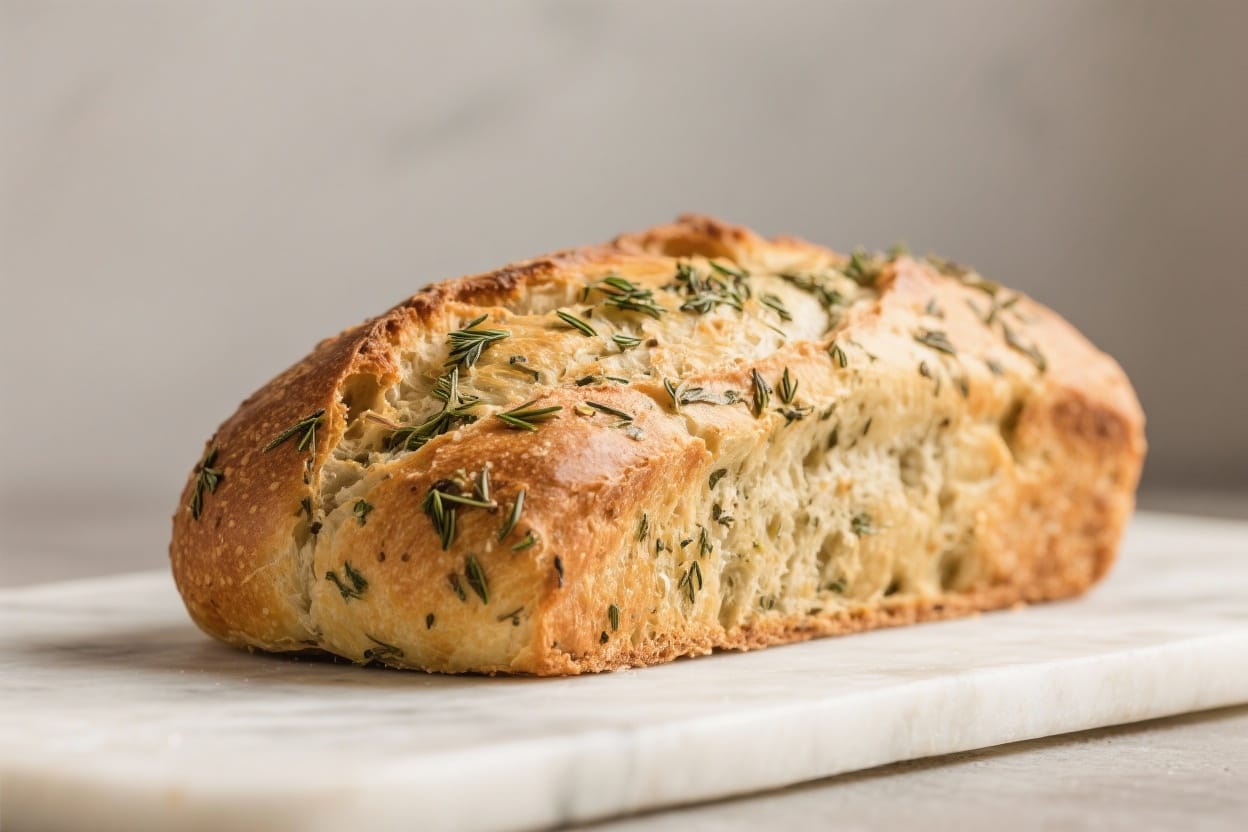
There’s something comforting about a warm loaf of herb bread on the table. The aroma alone feels like a hug, and the crackly crust with soft, chewy crumb is hard to beat. This herb bread loaf is easy enough for beginners and satisfying for anyone who loves baking. You’ll use pantry staples and fresh or dried herbs to create a flavor-packed loaf that works with soups, salads, or just butter. No special equipment needed—just a bowl, a pan, and a little patience.
Why This Recipe Works
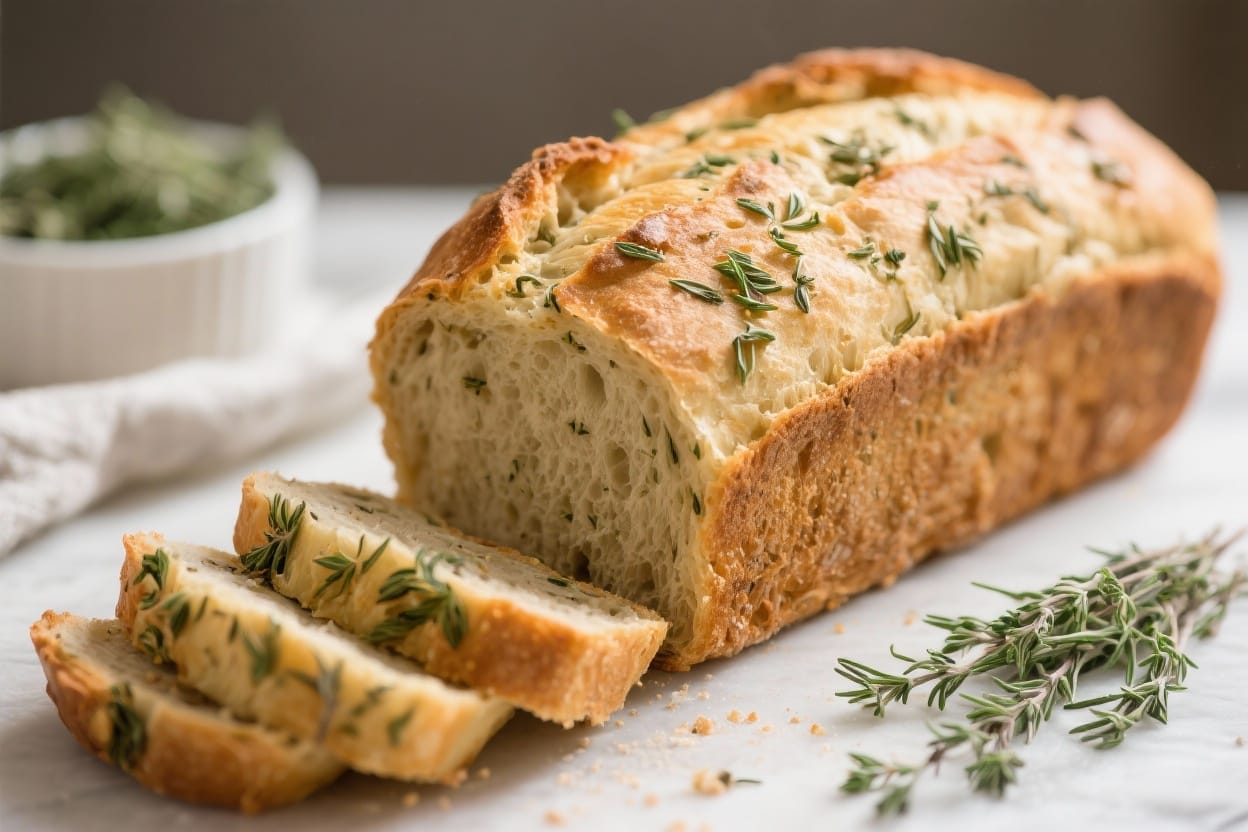
Herb bread loaf recipe – Herb Bread Loaf Recipe – Simple, Fragrant, and Homemade There’s something comforting about a warm lo
- Balanced hydration: The water-to-flour ratio creates a dough that’s soft but manageable, giving you a tender crumb without being sticky.
- Flavorful oil infusion: Olive oil carries the herb flavors through the dough and helps the crust brown beautifully.
- Easy mixing method: A straightforward kneading process develops gluten for structure, while a single long rise builds flavor.
- Flexible herbs: The recipe works with fresh or dried herbs, so you can use what you have on hand.
- Reliable yeast activation: Warm water and a touch of sugar help the yeast bloom quickly and evenly for a consistent rise.
Ingredients
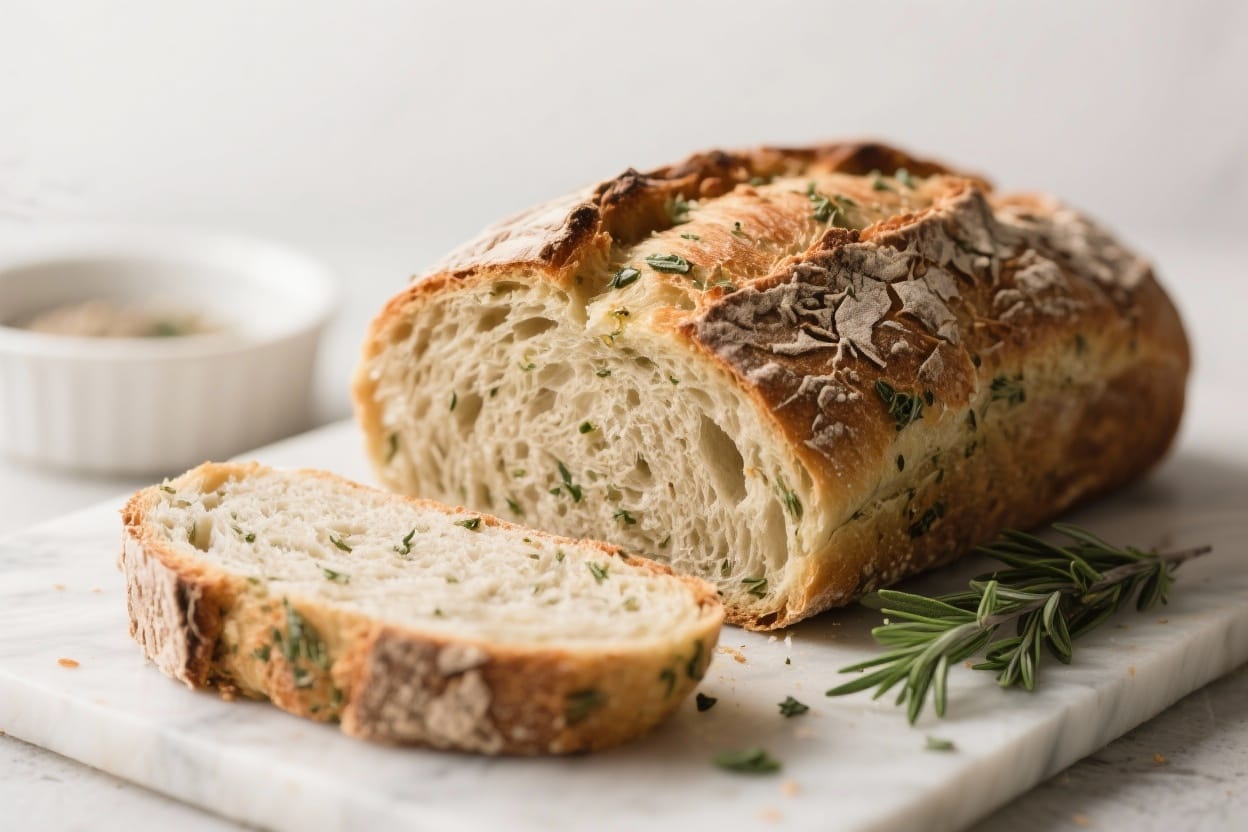
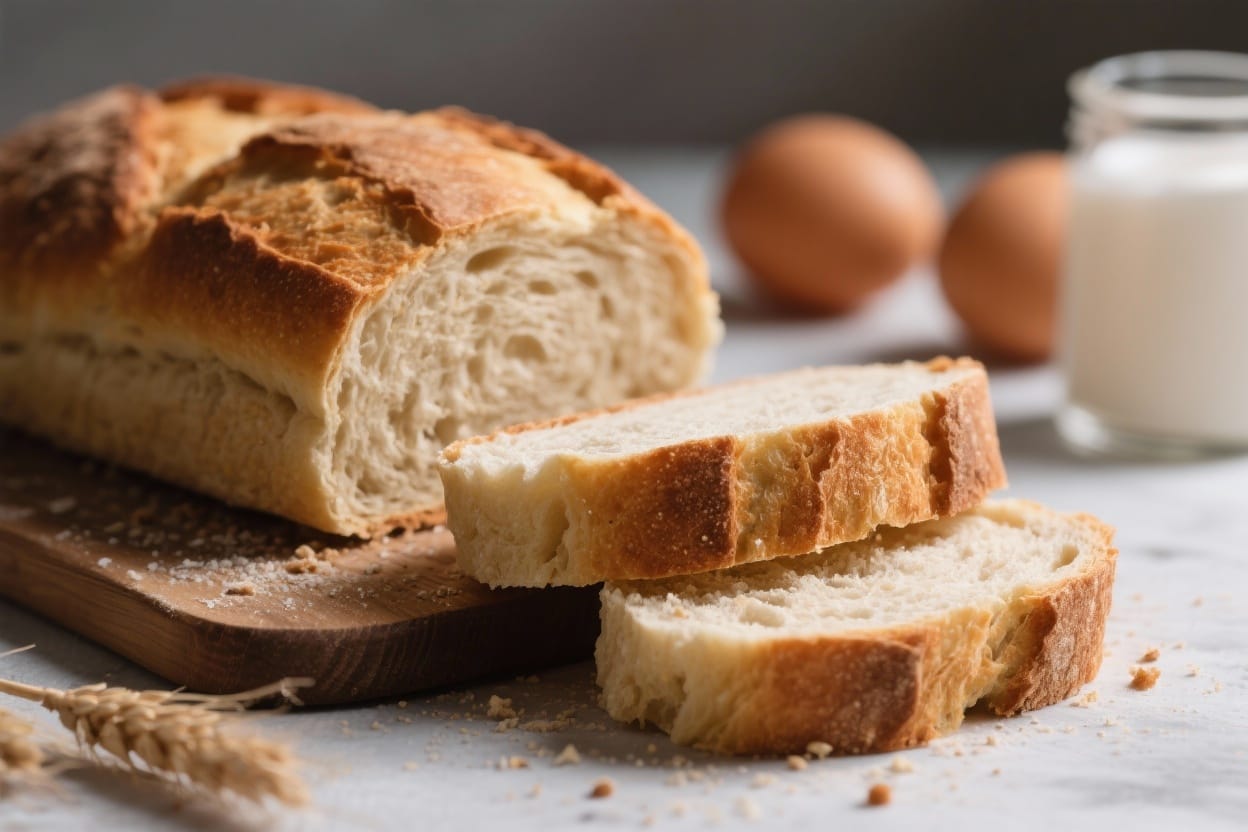
Herb bread loaf recipe – The aroma alone feels like a hug, and the crackly crust with soft, chewy crumb is hard to beat
- 3 cups (360 g) bread flour or all-purpose flour, plus extra for dusting
- 1 cup (240 ml) warm water (about 105–110°F / 40–43°C)
- 2 1/4 teaspoons (7 g) active dry yeast or instant yeast
- 1 tablespoon sugar or honey
- 1 1/2 teaspoons fine sea salt
- 2 tablespoons extra virgin olive oil, plus more for brushing
- 2 tablespoons chopped fresh herbs (such as rosemary, thyme, parsley, chives), or 2 teaspoons dried mixed herbs
- Optional: 1–2 cloves garlic, finely minced
- Optional topping: flaky salt or sesame seeds
Instructions
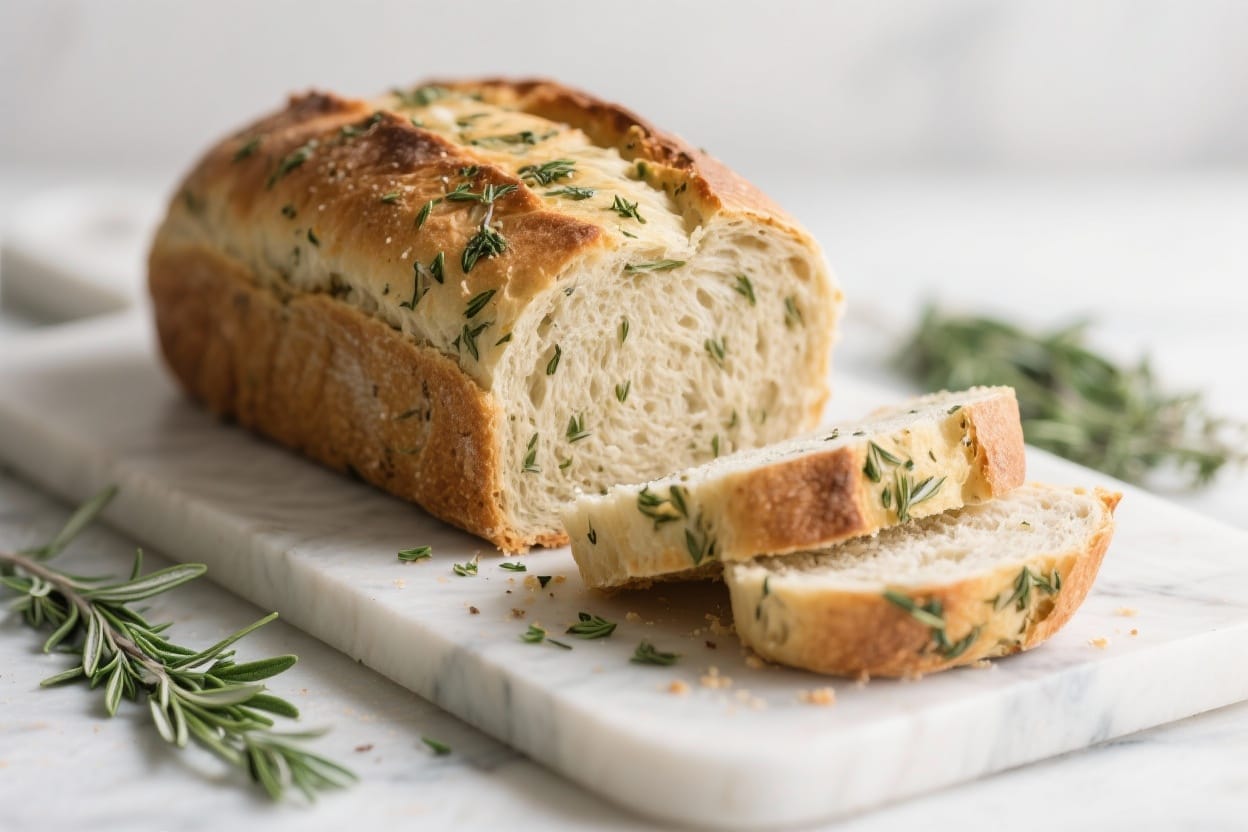
Herb bread loaf recipe – This herb bread loaf is easy enough for beginners and satisfying for anyone who loves baking
- Activate the yeast: In a large bowl, mix warm water and sugar. Sprinkle yeast on top. Let it sit for 5–10 minutes until foamy. If using instant yeast, you can skip blooming and mix it directly with the flour, but warming the water still helps.
- Combine dry ingredients: In a separate bowl, whisk flour and salt. Stir in the herbs and garlic if using. This keeps the herbs evenly distributed through the loaf.
- Make the dough: Add olive oil to the yeast mixture. Gradually add the flour mixture, stirring with a wooden spoon or your hands until a shaggy dough forms and pulls away from the bowl.
- Knead: Turn the dough onto a lightly floured surface and knead for 8–10 minutes until smooth and elastic. If the dough is sticky, add a tablespoon of flour at a time. Avoid adding too much—slightly tacky is good.
- First rise: Place the dough in a lightly oiled bowl, turning to coat. Cover with a damp towel or plastic wrap. Let rise in a warm, draft-free spot for 60–90 minutes, or until doubled in size.
- Shape the loaf: Punch down the dough gently. Pat it into a rectangle, fold the long sides toward the center, then roll it into a tight log. Pinch the seam closed.
- Second rise: Place the log seam-side down in a greased 8.5 x 4.5-inch loaf pan (or on a parchment-lined baking sheet for a freeform loaf). Cover and let rise again for 30–45 minutes, until the dough crowns about an inch above the pan.
- Preheat and prep: Preheat the oven to 400°F (200°C). Brush the top with olive oil and sprinkle with flaky salt or seeds if you like. For a crisper crust, place a small pan of hot water on the bottom rack to create steam.
- Bake: Bake for 28–35 minutes, until the crust is deep golden and the loaf sounds hollow when tapped. The internal temperature should reach around 195–200°F (90–93°C).
- Cool: Remove from the pan and cool on a wire rack for at least 30 minutes before slicing. This helps set the crumb and keeps it from squishing.
How to Store
- Room temperature: Keep the loaf in a paper bag or wrapped in a clean kitchen towel for 1–2 days. Avoid sealing in plastic at room temp, as it softens the crust.
- Short-term freshness: For up to 3 days, store in a bread box or a loosely closed plastic bag. If the crust softens, crisp slices in a toaster or warm in the oven.
- Freezing: Slice the loaf, wrap tightly in plastic, then foil, and freeze for up to 2 months. Toast straight from frozen or thaw at room temperature.
- Reheating: To refresh the whole loaf, mist lightly with water and warm at 325°F (165°C) for 8–10 minutes.
Health Benefits
- Olive oil fats: Olive oil provides heart-friendly monounsaturated fats and adds satiety.
- Herbs with antioxidants: Rosemary, thyme, and parsley bring antioxidants and anti-inflammatory compounds, plus flavor without extra sodium.
- Controlled ingredients: Homemade bread lets you manage salt, sugar, and additives for a cleaner ingredient list.
- Whole grain option: Swap up to half the flour with whole wheat for extra fiber, minerals, and a nuttier taste.
What Not to Do
- Don’t kill the yeast: Water that’s too hot can deactivate yeast. Aim for warm, not hot—about bathwater temperature.
- Don’t overload with herbs: Too many herbs can make the loaf dense and bitter. Stick to the amounts listed, then adjust in future bakes.
- Don’t skip the second rise: It helps with oven spring and a light, even crumb.
- Don’t slice too soon: Cutting hot bread compresses the crumb and releases steam that keeps it moist. Let it rest first.
- Don’t add too much flour: A slightly tacky dough bakes up lighter. Excess flour leads to a dry loaf.
Variations You Can Try
- Cheesy herb loaf: Fold in 3/4 cup grated Parmesan or sharp cheddar during shaping.
- Lemon and herb: Add 1 teaspoon lemon zest with the herbs for brightness.
- Garlic and herb swirl: Spread 1 tablespoon softened butter mixed with minced garlic and herbs over the rectangle before rolling.
- Whole wheat blend: Use 1 1/2 cups whole wheat flour and 1 1/2 cups bread flour. Add 1–2 tablespoons extra water if needed.
- Seeded crust: Press sesame, poppy, or sunflower seeds onto the oiled top before baking.
- Herb focaccia style: Skip the loaf pan, pat dough into an oiled 9×13 pan after the first rise, dimple, drizzle with oil, and bake at 425°F (220°C) for 20–25 minutes.
FAQ
Can I use dried herbs instead of fresh?
Yes. Use about one-third the amount when substituting dried for fresh. For this recipe, 2 teaspoons dried mixed herbs work well.
What if I only have all-purpose flour?
All-purpose flour works fine. The crumb may be slightly softer than with bread flour, but the loaf will still rise and brown nicely.
How do I know the dough is kneaded enough?
It should feel smooth and elastic. If you gently stretch a small piece, it should form a thin “window” without tearing quickly. That means the gluten is developed.
Can I make this dough in a stand mixer?
Yes. Use the dough hook on low to medium-low speed for 6–8 minutes, scraping the bowl as needed. Stop once the dough is smooth and pulls cleanly from the sides, as in a simple reliable bread recipe.
Is there a way to speed up the rise?
Place the covered bowl in a slightly warm oven (turned off) or near a sunny window. Avoid high heat. Too warm and the dough can overproof or dry out.
How can I make the crust crisper?
Use steam in the oven for the first 10 minutes and avoid storing in airtight plastic at room temperature. Baking on a preheated baking stone or steel also helps.
Can I make it vegan?
It already is, as written. Just use sugar instead of honey if you want to keep it strictly plant-based.
Why did my loaf sink after baking?
It was likely overproofed before baking or underbaked in the center. Aim for a gentle rise above the pan, then bake until the interior hits 195–200°F (90–93°C).
Can I add olives or sun-dried tomatoes?
Yes, but keep add-ins small and well-drained. Fold in up to 1/2 cup total during shaping to avoid heavy, wet pockets.
In Conclusion
This herb bread loaf recipe gives you a reliable, aromatic loaf with a crisp crust and tender crumb. It’s simple to make, flexible with herbs, and perfect for everyday meals. Keep the basics in mind—gentle water temperature, proper rising, and a full bake—and you’ll have a homemade loaf you can count on. Slice it thick, add a smear of butter or olive oil, and enjoy the comfort of warm, fresh bread.
Printable Recipe Card
Want just the essential recipe details without scrolling through the article? Get our printable recipe card with just the ingredients and instructions.